Introduction
Education is widely recognized as a cornerstone for national development, shaping not only economic growth but also social cohesion, political stability, and individual empowerment. Pakistan, a country with a population exceeding 240 million, faces significant challenges and opportunities in its quest to provide quality education to all its citizens. The country’s education system is multifaceted, encompassing formal, non-formal, and religious education streams, each with unique characteristics, strengths, and weaknesses. Despite numerous policy initiatives over the decades, Pakistan continues to struggle with issues such as low literacy rates, regional disparities, gender inequality, and insufficient infrastructure, which hinder the full realization of its educational potential. This article explores the historical development, current status, challenges, reforms, and future prospects of education in Pakistan.
Historical Background of Education in Pakistan
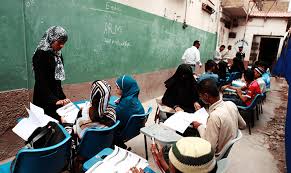
The history of education in Pakistan is intertwined with the broader historical developments in South Asia. Prior to independence in 1947, the region’s educational system was heavily influenced by colonial policies, which prioritized English-language instruction and elite schooling over mass literacy. After the creation of Pakistan, the government faced the formidable task of establishing a national education system that could address the needs of a newly independent and diverse country. Early policies focused on expanding access to primary education, creating public universities, and developing curricula that balanced religious, cultural, and scientific knowledge. However, limited resources, political instability, and inconsistent policy implementation often impeded progress. Over the decades, Pakistan has oscillated between centralized and decentralized approaches to education, with each era introducing reforms aimed at improving literacy and educational quality.
Structure of the Education System
Pakistan’s education system is structured into multiple levels, starting with pre-primary education, followed by primary (grades 1–5), middle (grades 6–8), secondary (grades 9–10), and higher secondary (grades 11–12) education. The system culminates in tertiary education, including universities, colleges, and vocational institutions. Additionally, there is a parallel system of religious education, primarily provided through madrassas, which focus on Islamic studies but often include basic literacy and numeracy skills. The country has both public and private schools, with private institutions generally perceived to offer higher quality education, albeit at a higher cost. A significant challenge is the coexistence of multiple curricula and examination boards, which often create disparities in learning outcomes and limit the mobility of students between different regions or educational streams.
Literacy and Enrollment Rates
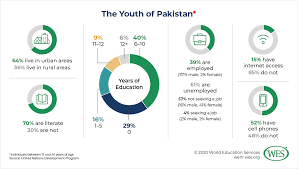
Despite efforts to improve literacy, Pakistan continues to have one of the lowest literacy rates in South Asia. According to recent estimates, the adult literacy rate hovers around 60%, with significant variation between urban and rural areas. Enrollment rates at the primary level have improved over the years, yet drop-out rates remain high, especially among girls and children from low-income families. Socioeconomic factors, cultural norms, and lack of access to schools in remote areas contribute to these disparities. For instance, girls in rural regions often face barriers related to early marriage, household responsibilities, and long distances to school, which limit their educational attainment. Improving literacy and enrollment is crucial not only for individual empowerment but also for enhancing Pakistan’s human capital and global competitiveness.
Gender Disparities in Education
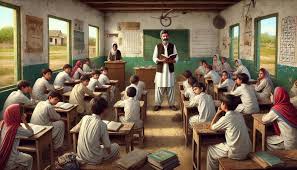
Gender inequality is a persistent challenge in Pakistan’s education system. Although progress has been made in increasing girls’ enrollment at the primary level, significant gaps remain at secondary and higher levels. Cultural and societal norms in certain regions restrict female mobility and access to education. Additionally, a shortage of female teachers, especially in rural areas, further discourages girls from continuing their education. Programs aimed at promoting female education, such as scholarships, conditional cash transfers, and community-based schools, have shown positive results, but sustained efforts are needed to bridge the gender gap completely. Addressing gender disparities is essential not only for social equity but also for national development, as educated women contribute significantly to the economy, health, and governance.
Quality of Education
While access to education has improved in recent years, the quality of education in Pakistan remains a critical concern. Factors contributing to poor quality include outdated curricula, untrained or underqualified teachers, inadequate teaching materials, and overcrowded classrooms. Many schools lack basic facilities such as clean drinking water, electricity, and functional toilets, which directly affect students’ learning experiences. Additionally, rote learning continues to dominate the teaching methodology, limiting students’ critical thinking, creativity, and problem-solving skills. Improving education quality requires systemic reforms, investment in teacher training, curriculum modernization, and monitoring mechanisms to ensure accountability and continuous improvement.
Regional Disparities
Pakistan’s education system is marked by stark regional disparities. Provinces such as Punjab and Sindh generally have higher literacy rates and better school infrastructure, while Balochistan and Khyber Pakhtunkhwa lag behind due to historical neglect, difficult terrain, and socio-political instability. Urban centers tend to have more schools, qualified teachers, and resources, whereas rural areas often struggle with insufficient facilities, teacher shortages, and low enrollment rates. Addressing regional disparities requires targeted interventions, equitable resource allocation, and community engagement to ensure that children in all areas have equal opportunities to receive quality education.
Role of Private and Religious Institutions
Private schools have emerged as an important alternative to public education in Pakistan, catering to families seeking higher-quality education or specialized curricula such as international programs. However, private education is often expensive, creating inequalities based on socioeconomic status. Meanwhile, madrassas provide religious education and play a significant role in literacy for marginalized populations. Some madrassas also offer modern subjects, but the lack of standardized curricula and oversight has raised concerns about educational quality and ideological biases. Integrating private and religious institutions into a national education framework could enhance overall access and quality while promoting social cohesion.
Technical and Vocational Education
Technical and vocational education (TVET) is a critical component of Pakistan’s strategy to address unemployment and skills shortages. TVET programs aim to equip students with practical skills for industries such as manufacturing, agriculture, information technology, and services. Despite the growing demand for skilled labor, TVET in Pakistan faces challenges such as limited funding, outdated equipment, lack of industry collaboration, and social stigma that favors academic education over vocational training. Strengthening TVET institutions, expanding public-private partnerships, and promoting awareness about vocational careers are essential steps toward creating a skilled workforce aligned with national economic needs.
Higher Education and Research
Pakistan has made notable progress in expanding higher education, with over 200 universities and degree-awarding institutions across the country. The Higher Education Commission (HEC) plays a pivotal role in regulating universities, funding research, and promoting quality standards. While some universities have achieved international recognition, overall research output and innovation remain low compared to global standards. Challenges include limited research funding, brain drain, inadequate laboratory facilities, and a focus on quantity over quality of graduates. Enhancing higher education and research capacity is crucial for Pakistan to compete in the global knowledge economy and to address pressing societal challenges through innovation.
Government Policies and Reforms
Over the decades, Pakistan has implemented multiple education policies and reforms aimed at increasing access, improving quality, and promoting equity. Notable initiatives include the National Education Policy (NEP), the Education Sector Reforms Program, and the introduction of provincial education departments following the 18th Amendment, which decentralized education governance. Programs such as the provision of free textbooks, stipends for underprivileged students, and conditional cash transfers for girls have had measurable impacts. However, policy implementation often suffers due to political instability, corruption, lack of continuity, and inadequate monitoring. A holistic, long-term strategy with clear benchmarks and accountability mechanisms is needed to ensure that reforms translate into meaningful educational outcomes.
Challenges Facing Education in Pakistan
The education sector in Pakistan faces a multitude of challenges that hinder progress. Key issues include underfunding, with education spending consistently below the UNESCO-recommended 4–6% of GDP; poor teacher quality and training; gender and regional disparities; high dropout rates; and inadequate infrastructure. Additionally, political instability and frequent policy shifts disrupt the continuity of reforms. Social and cultural factors, including conservative attitudes toward female education and early marriage, further exacerbate the situation. Addressing these challenges requires a comprehensive approach that combines government commitment, community engagement, private sector participation, and international collaboration.
Opportunities and the Way Forward
Despite the challenges, Pakistan has significant opportunities to transform its education system. The country’s youthful population presents a potential demographic dividend if equipped with the right skills and knowledge. Investment in digital education, e-learning platforms, and technology-enhanced learning can help overcome geographical and infrastructural barriers. Strengthening teacher training, modernizing curricula, promoting inclusive education, and fostering a research culture can significantly improve educational outcomes. Collaboration with international organizations, private sector partnerships, and community-driven initiatives can provide additional resources and expertise. By prioritizing education as a national development strategy, Pakistan can harness the potential of its youth and build a more prosperous, equitable, and stable society.
Conclusion
Education in Pakistan remains a complex and multifaceted challenge, reflecting the country’s historical, social, and economic realities. While significant progress has been made in expanding access and promoting awareness, issues related to quality, equity, and regional disparities continue to impede full educational development. A comprehensive approach that addresses funding, teacher quality, infrastructure, gender equality, and vocational training is essential for creating a system that not only imparts knowledge but also empowers individuals to contribute meaningfully to society. With sustained commitment, innovative policies, and collaborative efforts, Pakistan can transform its education sector into a powerful driver of national progress and global competitivenes.