Introduction
Lahore, the cultural and historical capital of Pakistan’s Punjab province, is one of South Asia’s most vibrant and dynamic cities. Known for its rich history, architectural grandeur, culinary diversity, and intellectual heritage, Lahore occupies a unique place in the country’s identity. Often referred to as the “Heart of Pakistan,” the city has served as a center of politics, culture, and education for centuries. With a population exceeding 13 million, Lahore is not only a major urban hub but also a symbol of Pakistan’s resilience, creativity, and tradition. Its streets are lined with historical monuments, bustling markets, modern commercial centers, and green spaces, making it a city of contrasts where the past and the present coexist. Understanding Lahore requires exploring its historical evolution, cultural significance, economic importance, educational institutions, and social fabric.
Historical Significance
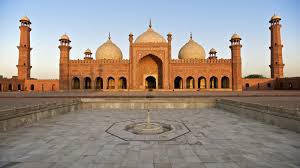
Lahore’s history stretches back over a millennium, making it one of the oldest cities in the region. The city has been a seat of power for various empires, including the Ghaznavids, Ghurids, Mughals, Sikhs, and the British colonial administration. During the Mughal era, Lahore became a flourishing center of art, architecture, and learning. Emperors like Akbar, Jahangir, and Shah Jahan commissioned magnificent structures such as the Lahore Fort, Shalimar Gardens, Badshahi Mosque, and Wazir Khan Mosque, many of which remain iconic landmarks today. These architectural wonders reflect a blend of Persian, Islamic, and South Asian influences, highlighting Lahore’s role as a melting pot of cultures. Under Sikh rule, the city witnessed the construction of forts, gardens, and religious sites, further enriching its architectural landscape. The British colonial period introduced modern infrastructure, educational institutions, and administrative systems, setting the stage for Lahore’s emergence as a modern metropolis.
Cultural Heritage
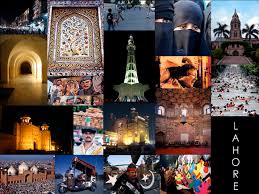
Lahore is widely recognized as Pakistan’s cultural capital due to its deep-rooted traditions in art, literature, music, and theater. The city hosts numerous cultural festivals, including the Lahore Literary Festival, Basant Kite Festival (historically celebrated), and various music and film events. Lahore has been home to some of Pakistan’s greatest poets, writers, and artists, including Allama Iqbal, Faiz Ahmed Faiz, and Amjad Islam Amjad. Traditional crafts such as pottery, calligraphy, embroidery, and miniature painting continue to thrive in Lahore’s bazaars, preserving centuries-old techniques. The city’s rich culinary scene is another cultural hallmark, featuring specialties like Lahori chargha, nihari, paya, and an assortment of street foods that attract locals and tourists alike. Lahore’s cultural vibrancy reflects its historical openness to diverse influences and its ongoing role as a hub for creative expression.
Architectural Marvels
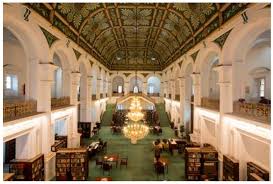
Lahore’s architecture is a testament to its historical and cultural evolution. The Lahore Fort, a UNESCO World Heritage Site, exemplifies Mughal grandeur with its intricate frescoes, marble inlays, and massive gateways. The Badshahi Mosque, one of the largest mosques in the world, stands as a symbol of Mughal religious and architectural achievements, combining grand scale with intricate detail. Shalimar Gardens reflects the Mughal mastery of landscaping, water engineering, and symmetry, offering a serene contrast to the bustling city. Walled Lahore, the historic core of the city, contains narrow streets, traditional markets, and numerous havelis (mansions) that showcase a blend of Mughal and Sikh architectural elements. During the colonial era, structures such as the Lahore Museum, General Post Office, and Government College University building introduced Victorian and neoclassical designs, further diversifying the city’s architectural heritage. Modern Lahore continues to grow with high-rise buildings, shopping malls, and contemporary cultural centers, creating a visual dialogue between past and present.
Economic Significance
Lahore serves as one of Pakistan’s primary economic engines, contributing significantly to trade, industry, and services. The city hosts numerous industrial zones producing textiles, electronics, pharmaceuticals, and consumer goods. Lahore’s strategic location near the India-Pakistan border enhances its role in cross-border trade and regional commerce. The retail sector is particularly vibrant, with commercial hubs such as Liberty Market, Anarkali Bazaar, and the Emporium Mall attracting shoppers from across the country. Additionally, Lahore is a center for the creative economy, with publishing houses, film studios, and advertising agencies driving economic activity. The city’s financial institutions, corporate headquarters, and growing IT sector reinforce its status as a major commercial hub, providing employment and investment opportunities. Economic growth in Lahore is intertwined with its cultural and educational prominence, as the city continues to attract talent and innovation.
Educational Institutions
Lahore is a hub for education and intellectual activity, hosting some of Pakistan’s most prestigious schools, colleges, and universities. Institutions such as the University of the Punjab, Lahore University of Management Sciences (LUMS), Government College University, and National College of Arts have produced generations of scholars, leaders, and artists. These institutions offer programs across diverse disciplines including sciences, humanities, engineering, business, and arts, contributing to the city’s reputation as a center of learning. Lahore also houses numerous professional training institutes, technical colleges, and vocational centers that prepare the workforce for various industries. The city’s educational infrastructure is complemented by research centers and libraries, fostering a culture of knowledge, inquiry, and intellectual engagement. The combination of traditional academic excellence and modern educational innovations ensures Lahore’s continued relevance in Pakistan’s intellectual landscape.
Festivals and Social Life
Lahore’s social life is vibrant and diverse, characterized by festivals, cultural events, and recreational activities. The city celebrates traditional festivals such as Eid, Basant, and Diwali (historically), as well as contemporary events like the Lahore Music Meet and Lahore Literary Festival. Parks and gardens, including Bagh-e-Jinnah, Racecourse Park, and Jilani Park, provide recreational spaces for families and sports enthusiasts. The city is also known for its bustling food streets, cafes, and restaurants, which serve as social hubs for citizens and tourists alike. Lahore’s nightlife, cultural shows, and theater performances reflect its cosmopolitan nature, where people from various backgrounds interact and celebrate shared cultural heritage. Social cohesion in Lahore is further enhanced by its historical emphasis on hospitality, community engagement, and artistic expression.
Transportation and Infrastructure
As a major metropolis, Lahore has developed extensive transportation and infrastructure networks to support its growing population. The city features a network of roads, highways, and flyovers connecting different neighborhoods and neighboring cities. The Lahore Metrobus and Orange Line Metro provide modern public transport solutions, reducing congestion and improving mobility. Rail and air connectivity further enhance Lahore’s regional and international accessibility, with Allama Iqbal International Airport serving as a gateway to major destinations. Infrastructure development in Lahore also includes modern shopping complexes, hospitals, sports facilities, and recreational areas, reflecting efforts to accommodate urban growth and improve quality of life. However, challenges remain in traffic management, urban planning, and environmental sustainability, necessitating continued investment and policy innovation.
Challenges and Urban Development
Despite its achievements, Lahore faces significant urban challenges. Rapid population growth, unplanned urbanization, and inadequate public services have led to congestion, pollution, and housing shortages. Water management, waste disposal, and air quality are persistent issues affecting public health and the environment. Heritage conservation presents another challenge, as historical buildings and walled city areas require careful preservation amidst modernization pressures. Urban development initiatives, such as smart city projects and green urban planning, aim to address these challenges by improving sustainability, infrastructure efficiency, and livability. Balancing modernization with historical preservation remains a key priority for Lahore’s planners and policymakers.
Tourism and Attractions
Tourism is a vital component of Lahore’s economy and cultural identity. The city attracts domestic and international visitors to its historical landmarks, gardens, mosques, and bazaars. Notable attractions include the Lahore Fort, Badshahi Mosque, Shalimar Gardens, Minar-e-Pakistan, and Walled City of Lahore. The Lahore Museum and National History Museum showcase the city’s rich heritage, while food streets and cultural festivals provide immersive experiences for visitors. Tourism contributes to economic growth, fosters cultural exchange, and raises awareness about Lahore’s historical significance. Strategic promotion of heritage tourism, improved facilities, and preservation of historical sites are essential to maintain Lahore’s appeal as a major tourist destination.
Conclusion
Lahore stands as a vibrant, multifaceted city that embodies Pakistan’s historical richness, cultural diversity, economic dynamism, and intellectual legacy. From its Mughal architectural marvels and colonial-era institutions to its modern infrastructure, educational hubs, and bustling markets, Lahore continues to evolve while preserving its historical and cultural roots. The city faces challenges such as urban congestion, environmental concerns, and heritage preservation, yet it remains resilient, innovative, and culturally vibrant. As Pakistan’s heart and soul, Lahore offers a unique lens through which to understand the nation’s past, present, and future, making it a city of enduring significance and global interest.