Early Life and Background
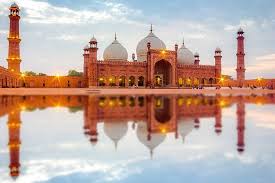
Imran Khan was born on October 5, 1952, in Lahore, Pakistan, into a well-educated and culturally rich Pashtun family. His upbringing was shaped by both traditional Eastern values and the influence of a modern, progressive environment. He attended Aitchison College in Lahore and later moved to England, where he studied at the Royal Grammar School in Worcester. Eventually, he went on to graduate from Keble College, Oxford, with a degree in Philosophy, Politics, and Economics. His early exposure to both Pakistani and British cultures helped shape his worldview, giving him the confidence and charisma that would later define his public life. From a young age, he showed a passion for cricket, a sport that would soon bring him international fame and recognition.
Cricket Career and Rise to Fame
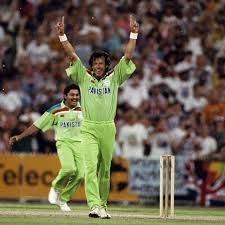
Imran Khan’s cricketing career began in the early 1970s when he made his debut for Pakistan’s national team. Over the years, he developed into one of the greatest all-rounders in the history of the game. Known for his aggressive fast bowling, stylish batting, and exceptional leadership skills, he became the face of Pakistani cricket. His most iconic achievement came in 1992, when he led Pakistan to its first and only Cricket World Cup victory. This triumph not only elevated his status as a national hero but also united the country during a time of political and social challenges. Imran’s leadership style, often described as inspirational and fearless, earned him respect both on and off the field. He retired from cricket shortly after the World Cup victory, leaving behind a legacy that continues to inspire aspiring cricketers.
Transition to Philanthropy
After retiring from cricket, Imran Khan shifted his focus toward philanthropy and social work. Deeply affected by the death of his mother from cancer, he decided to establish a cancer hospital in Pakistan that would provide free treatment to those who could not afford it. This vision led to the creation of the Shaukat Khanum Memorial Cancer Hospital and Research Centre in Lahore, which opened in 1994. The hospital became a symbol of hope and compassion, offering world-class medical care regardless of a patient’s financial status. Imran also founded Namal University in Mianwali, aiming to provide quality education to underprivileged students. His philanthropic efforts demonstrated his commitment to improving the lives of ordinary Pakistanis and highlighted his ability to mobilize resources for a greater cause.
Entry into Politics
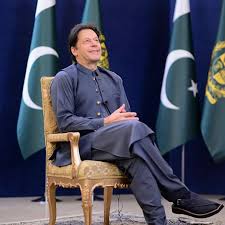
Imran Khan entered politics in 1996 when he founded the Pakistan Tehreek-e-Insaf (PTI) party. His decision to step into the political arena was driven by a desire to address corruption, inequality, and poor governance in Pakistan. However, his early political career was marked by struggles and limited success. For many years, PTI remained a marginal political force, and Imran faced criticism and skepticism from both political opponents and the public. Despite these challenges, he remained persistent, gradually building support among the youth and middle class. His message of accountability, justice, and transparency resonated with many Pakistanis who were disillusioned with traditional political parties.
Political Breakthrough and Leadership
Imran Khan’s political fortunes began to change in the early 2010s as his party gained momentum. Massive public rallies and a growing social media presence helped him connect with a new generation of voters. In the 2018 general elections, PTI emerged as the largest party, and Imran Khan became the Prime Minister of Pakistan. His victory was seen as a significant shift in the country’s political landscape, breaking the dominance of long-established political families. As Prime Minister, he promised to create a “New Pakistan” based on justice, accountability, and economic reform. His government focused on issues such as poverty alleviation, healthcare, and anti-corruption measures.
Challenges in Governance
Imran Khan’s tenure as Prime Minister was marked by both achievements and challenges. On one hand, his government introduced social welfare programs like the Ehsaas initiative, aimed at reducing poverty and supporting vulnerable communities. On the other hand, he faced criticism over economic difficulties, rising inflation, and strained relations with opposition parties. Managing Pakistan’s complex political environment proved to be a difficult task, as he had to navigate internal divisions and external pressures. His leadership style, often described as determined but sometimes uncompromising, drew both praise and criticism.
Foreign Policy and Global Image
As Prime Minister, Imran Khan sought to reshape Pakistan’s foreign policy by emphasizing peace, regional stability, and economic cooperation. He advocated for dialogue to resolve conflicts, particularly in neighboring Afghanistan, and worked to improve Pakistan’s image on the global stage. His speeches at international forums highlighted issues such as Islamophobia, climate change, and the need for global justice. While he succeeded in gaining international attention, his foreign policy decisions were sometimes met with mixed reactions, both domestically and internationally.
Removal from Office
In April 2022, Imran Khan was removed from office through a vote of no confidence in the National Assembly, making him the first Prime Minister in Pakistan’s history to be ousted in this manner. His removal marked a turning point in his political career and led to widespread protests by his supporters. Imran claimed that his ouster was part of a larger political conspiracy, a claim that fueled political tensions in the country. Despite losing power, he remained a central figure in Pakistani politics, continuing to mobilize his supporters and challenge the government.
Personal Life and Public Image
Imran Khan’s personal life has often been the subject of public interest and media attention. He has been married three times and has children from his first marriage. Known for his charismatic personality and strong opinions, he has maintained a significant following both in Pakistan and abroad. His transformation from a cricket superstar to a philanthropist and then a political leader is often seen as a unique journey that reflects his determination and adaptability. While he is admired by many for his achievements, he is also a controversial figure, with critics questioning his policies and leadership style.
Legacy and Impact
Imran Khan’s life is a story of ambition, resilience, and transformation. From leading Pakistan to a historic cricket victory to building institutions that serve the public, and eventually rising to the highest political office in the country, his journey has been remarkable. His impact on Pakistan is undeniable, whether in sports, philanthropy, or politics. Supporters view him as a visionary leader who challenged the status quo, while critics argue that his tenure exposed the complexities and limitations of his approach. Regardless of differing opinions, Imran Khan remains one of the most influential figures in Pakistan’s modern history, and his legacy will continue to be debated for years to come.