
Introduction
World War III, a hypothetical global conflict succeeding the two previous world wars of the twentieth century, has been the subject of extensive speculation, academic analysis, and geopolitical concern. While the precise triggers and nature of such a conflict remain uncertain, understanding potential causes, consequences, and preventive strategies is crucial for global stability. The 21st century presents a uniquely complex international environment characterized by technological advancement, nuclear proliferation, economic interdependence, and political polarization, all of which could contribute to heightened tensions that might escalate into a large-scale war. Unlike previous world wars, a third world war would likely involve not only traditional military engagements but also cyber warfare, economic blockades, and information warfare, making it multidimensional in scope. Examining the historical precedents, current geopolitical flashpoints, and international systems of diplomacy provides insights into both the risks and mechanisms that could either trigger or prevent World War III.

Historical Context and Lessons from the Past
The world has experienced two global conflicts that reshaped nations, economies, and societies. World War I emerged from a complex web of alliances, militarism, imperial competition, and nationalist fervor, while World War II was fueled by unresolved grievances, aggressive expansionism, and totalitarian ideologies. Both wars demonstrated the catastrophic potential of modern technology in warfare, including mechanized armies, aerial bombardment, and in the case of WWII, nuclear weapons. Lessons from these conflicts underline the dangers of unchecked aggression, failures in diplomacy, and the escalation of local conflicts into global wars. The post-World War II period established international institutions such as the United Nations, the International Monetary Fund, and the World Bank, designed to foster cooperation, prevent disputes, and rebuild economies. These institutions have mitigated large-scale wars but have not eliminated conflicts entirely, as regional wars, proxy wars, and ideological confrontations continue to persist, highlighting vulnerabilities that could contribute to a future World War III scenario.
Potential Causes of World War III
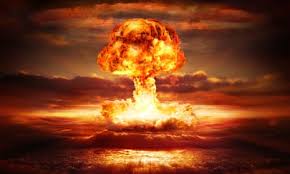
Several potential causes for a global conflict have been identified by geopolitical analysts. One primary driver could be competition over scarce natural resources such as oil, water, and rare earth minerals. Climate change may exacerbate scarcity, creating tensions over habitable land, agricultural production, and access to freshwater. Another possible cause is the rise of great-power rivalries, particularly among the United States, China, Russia, and emerging powers. Territorial disputes, trade wars, military posturing, and technological competition could escalate into armed confrontation if diplomacy fails. Additionally, the proliferation of nuclear, biological, and cyber weapons creates a volatile environment in which miscalculations or accidents could trigger a conflict far exceeding localized wars in scale and destructiveness. Ideological and political conflicts, including clashes between authoritarian and democratic systems, extremism, and nationalist movements, may also catalyze tensions. In a world increasingly connected by digital networks, information warfare, propaganda, and cyberattacks could destabilize societies and governments, providing pretexts for military intervention or escalation.

Geopolitical Flashpoints
Several regions have been identified as potential flashpoints that could trigger a larger conflict. The South China Sea represents a strategic maritime corridor with overlapping territorial claims, where disputes over trade routes and islands could provoke military confrontation. Eastern Europe, particularly the Russia-Ukraine border and the Baltic states, remains a zone of heightened tension, with the potential for NATO-Russia confrontations. The Korean Peninsula, the Middle East, and South Asia are also regions where historical rivalries, nuclear arsenals, and unresolved disputes could spark conflict. In addition, the Arctic is becoming an area of strategic interest due to melting ice caps opening new shipping lanes and access to untapped resources, potentially generating new disputes among nations seeking to assert dominance in this region. While not every dispute will necessarily lead to a global war, the interconnectivity of modern alliances, trade dependencies, and military pacts means that localized conflicts have a higher chance of escalating into a broader confrontation.
Role of Technology and Modern Warfare
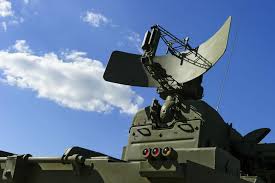
Modern warfare has evolved far beyond the traditional battlefield. World War III, if it were to occur, would likely feature advanced technology as a central component. Cyber warfare could disrupt financial systems, communication networks, and critical infrastructure, potentially crippling entire nations without a single conventional missile being launched. Artificial intelligence, autonomous drones, hypersonic weapons, and advanced missile defense systems could redefine military strategy, making traditional notions of victory and deterrence less predictable. Space could also become a contested domain, as satellites critical for navigation, communication, and surveillance might be targeted. The potential for nuclear escalation remains a critical concern, given the existence of intercontinental ballistic missiles and the doctrine of mutually assured destruction, which has historically acted as a deterrent but also increases the stakes of miscalculations or accidents. The combination of conventional, unconventional, and technological warfare makes modern conflict multidimensional, rapid, and globally consequential.
Economic Implications
The economic consequences of a global conflict would be unprecedented in modern history. Supply chains, already fragile from geopolitical tensions and pandemics, could collapse under the strain of war. Global trade would likely contract sharply, inflation could surge, and energy markets would experience extreme volatility, particularly if oil, gas, or rare earth mineral supplies are disrupted. Nations may be forced to divert resources toward military production at the expense of social programs, healthcare, and infrastructure, further destabilizing societies. Additionally, financial markets would react to uncertainty, potentially triggering recessions or depressions worldwide. The interconnected nature of the global economy means that even nations not directly involved in hostilities would suffer significant economic repercussions, highlighting the importance of diplomatic mechanisms to prevent escalation.
Social and Humanitarian Consequences
World War III would carry catastrophic social and humanitarian consequences. Mass displacement, refugee crises, and widespread famine could occur as a result of targeted attacks on urban areas, infrastructure, or agricultural regions. Civilian casualties could far exceed military losses, particularly if nuclear or chemical weapons are used. Psychological trauma, breakdown of governance, and disruption of education and healthcare systems would have long-term impacts on societies. International humanitarian organizations would face overwhelming challenges in delivering aid, and the principles of international law, including protection of civilians, could be difficult to enforce. Historical experiences from previous world wars suggest that reconstruction and reconciliation would require decades, and the social scars would likely persist for generations, affecting political stability and economic development.
Environmental Impact
In addition to immediate human suffering, World War III could have severe environmental consequences. Nuclear detonations could result in radioactive fallout, contaminating air, soil, and water for decades. Conventional warfare on a global scale would lead to deforestation, destruction of ecosystems, and long-term damage to biodiversity. The burning of fossil fuels, infrastructure, and cities could accelerate climate change, creating feedback loops that exacerbate resource scarcity and environmental instability. In addition, warfare in the Arctic or other sensitive regions could irreversibly damage fragile ecosystems, affecting global weather patterns and sea levels. Environmental devastation would compound humanitarian crises, making recovery even more difficult and creating additional sources of conflict in the post-war period.
International Diplomacy and Prevention
Despite the potential triggers and consequences, preventing World War III remains a primary objective of international diplomacy. Organizations such as the United Nations, NATO, and regional alliances play critical roles in conflict mediation, crisis management, and peacekeeping. Arms control agreements, non-proliferation treaties, and diplomatic summits aim to reduce the risk of escalation, particularly involving nuclear weapons. Economic interdependence and globalization also serve as deterrents, as nations have incentives to avoid conflicts that would disrupt trade and prosperity. Effective prevention strategies require multilateral cooperation, transparent communication, crisis simulation, and contingency planning, ensuring that disputes are resolved through negotiation rather than military action. Learning from historical mistakes, promoting cultural understanding, and addressing root causes such as inequality, resource scarcity, and ideological extremism are essential components of a strategy to avert global war.
The Role of Media and Information
In the modern era, media and information technology play a significant role in shaping public perception, influencing policy decisions, and potentially escalating conflicts. Misinformation, propaganda, and cyber campaigns could intensify tensions between nations, create internal instability, and provoke public pressure for aggressive actions. Social media platforms can amplify nationalist sentiment, spread disinformation, and polarize populations, making it easier for political leaders to justify military escalation. Conversely, media and information technology can also be used as tools for conflict prevention, enabling real-time communication, promoting transparency, and facilitating diplomacy. Responsible management of information, media literacy, and international cooperation to counter cyber threats are critical to reducing the risk of miscalculation and inadvertent escalation.
Future Prospects and Scenarios
While predicting the precise nature of World War III is impossible, analysts outline several plausible scenarios. A global conflict could arise from regional disputes escalating due to alliance obligations, economic crises triggering aggressive nationalism, or technological accidents leading to unintended confrontations. Alternatively, preventive diplomacy, international cooperation, and robust conflict-resolution mechanisms could avert a global war despite rising tensions. The future may also see unconventional forms of conflict that blur the lines between war and peace, including cyber attacks, economic coercion, and hybrid warfare. Scenario planning, investment in early warning systems, and development of international norms for emerging technologies are essential for mitigating risks. Ultimately, the goal is to create a resilient international system capable of managing disputes without resorting to catastrophic violence.
Conclusion
World War III represents a profound hypothetical threat that underscores the fragility of global peace and the complexity of modern geopolitics. Potential causes include resource scarcity, great-power rivalries, technological proliferation, ideological clashes, and regional conflicts. The consequences would be catastrophic, encompassing economic collapse, humanitarian crises, environmental devastation, and social disintegration. However, history also demonstrates the power