
Introduction to Turkey
Turkey is a unique nation that bridges two continents—Europe and Asia—both geographically and culturally. Its strategic location has made it a crossroads of civilizations for thousands of years, shaping a rich and diverse heritage. From ancient empires to a modern republic, Turkey’s identity has evolved through centuries of transformation. Today, it stands as a dynamic country with a blend of tradition and modernity, attracting global attention for its history, culture, economy, and geopolitical significance. The nation’s ability to balance its Eastern roots with Western influences has made it a fascinating subject of study and exploration.
Historical Background
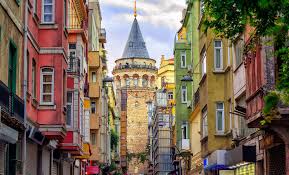
The history of Turkey is deeply rooted in ancient civilizations that flourished in Anatolia, the Asian part of the country. This region has been home to powerful empires such as the Hittites, Greeks, Romans, and Byzantines. One of the most significant turning points came with the rise of the Ottoman Empire, which lasted for over six centuries and became one of the most powerful empires in history. The Ottomans controlled vast territories across Europe, Asia, and Africa, leaving a lasting legacy in architecture, culture, and governance. After World War I and the collapse of the empire, modern Turkey was established in 1923 under the leadership of Mustafa Kemal Atatürk. Atatürk introduced sweeping reforms to modernize the country, including secularization, educational reforms, and the adoption of a new legal system.
Geography and Natural Features
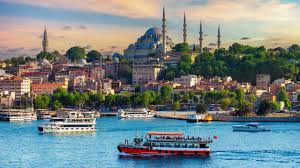
Turkey’s geography is as diverse as its history. It is surrounded by seas on three sides: the Mediterranean Sea to the south, the Aegean Sea to the west, and the Black Sea to the north. The country also includes the Bosporus and Dardanelles straits, which connect the Black Sea to the Mediterranean and separate Europe from Asia. Major cities like Istanbul uniquely straddle both continents, symbolizing Turkey’s dual identity. The landscape features mountains, plateaus, and fertile plains, making it suitable for agriculture and tourism. Natural wonders such as Cappadocia and Pamukkale attract millions of visitors each year. These diverse geographical features contribute to Turkey’s economic and cultural richness.
Culture and Traditions
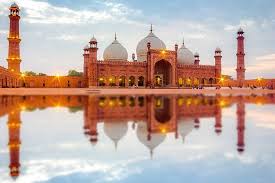
Turkish culture is a vibrant blend of influences from various civilizations that have inhabited the region over centuries. Traditions are deeply rooted in family values, hospitality, and respect for elders. Turkish cuisine is renowned worldwide, featuring dishes like kebabs, baklava, and Turkish delight. Festivals, music, and dance play an essential role in cultural expression, with folk traditions varying from region to region. Religion also plays a significant role in daily life, with the majority of the population practicing Islam, while the country itself maintains a secular political system. Cultural landmarks such as mosques, palaces, and bazaars reflect Turkey’s historical depth and artistic achievements.
Economy and Development
Turkey has a rapidly growing economy that combines traditional industries with modern sectors. Agriculture remains important, producing crops such as wheat, cotton, and fruits. At the same time, Turkey has developed strong manufacturing and industrial sectors, including automotive, textiles, and electronics. Tourism is another major contributor to the economy, thanks to the country’s rich history and natural beauty. In recent decades, Turkey has invested heavily in infrastructure, including transportation, energy, and urban development projects. However, the economy has also faced challenges such as inflation, currency fluctuations, and political uncertainties.
Political Structure
Turkey is a republic with a presidential system of government. Since its founding, the country has undergone several political transformations, including military interventions and constitutional changes. The political landscape is often dynamic, with debates over democracy, secularism, and governance shaping public discourse. The reforms initiated by Atatürk continue to influence the country’s political framework, although modern developments have introduced new complexities. Turkey’s role in international organizations and its relationships with neighboring countries also play a significant part in its political identity.
Tourism and Landmarks
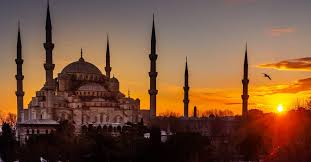
Tourism is one of Turkey’s most vibrant sectors, drawing millions of visitors each year. The country offers a wide range of attractions, from historical sites to natural wonders. Hagia Sophia is one of the most iconic landmarks, showcasing a blend of Byzantine and Ottoman architecture. Similarly, Topkapi Palace provides insight into the opulent lifestyle of Ottoman sultans. Coastal regions like Antalya and Bodrum are famous for their beautiful beaches and resorts. The combination of history, culture, and natural beauty makes Turkey a top travel destination.
Education and Society
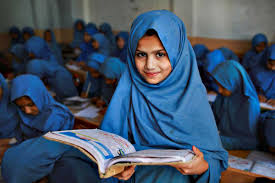
Education in Turkey has seen significant improvements over the years, with increasing access to schools and universities. The government has made efforts to modernize the education system and promote scientific and technological development. Turkish society is diverse, with a mix of urban and rural lifestyles. While cities are rapidly modernizing, rural areas often maintain traditional ways of life. Social issues such as gender equality, freedom of expression, and economic disparity continue to be topics of discussion and reform.
Modern Challenges and Opportunities
Like many countries, Turkey faces a range of modern challenges, including economic instability, political polarization, and regional conflicts. Its strategic location also places it at the center of geopolitical tensions, particularly in the Middle East and Eastern Europe. Despite these challenges, Turkey has significant opportunities for growth and development. Its young population, expanding infrastructure, and strong cultural identity position it as an influential player on the global stage. Efforts to strengthen democracy, improve economic stability, and enhance international relations will be crucial for its future.
Conclusion
Turkey is a nation of contrasts and connections, where ancient history meets modern ambition. From the legacy of the Ottoman Empire to the reforms of Atatürk, the country has continuously evolved while maintaining its unique identity. Its geographical position, cultural richness, and economic potential make it a significant country in both regional and global contexts. While challenges remain, Turkey’s resilience and adaptability suggest a promising future. Understanding Turkey requires an appreciation of its past, an awareness of its present, and a curiosity about its future trajectory.
Hi, this is a comment.
To get started with moderating, editing, and deleting comments, please visit the Comments screen in the dashboard.
Commenter avatars come from Gravatar.